Hobby Farm Construction Finance
Finance to build on a hobby farm or small rural lifestyle holding
Access to over 90+ bank, non-bank, and private lenders


















A hobby farm is a lifestyle, not a business. You might run a few animals, keep an orchard, or grow produce, but the property is really about the home and the way of life around it. The good news for finance is that a hobby farm with minimal farm income is usually assessed as residential, which gives you access to better terms than a commercial rural loan. The key is showing the lender that the loan is serviced by your off-farm income, not by farm production. Settled Funding Group works with people building on hobby farms and small rural holdings across Australia, identifying lenders from the 90+ panel who treat the property as residential. For unique scenarios, we can introduce you to private finance options.
Who This Is For
- •Those building a home on a small farm run for lifestyle rather than commercial income
- •Tree-changers establishing a hobby farm with a new dwelling
- •Those building on land with some agricultural use but a primarily residential purpose
- •Buyers of small holdings who want to build a main residence
- •Owner-builders constructing on a hobby farm
- •Those combining a lifestyle home build with small-scale farming
How Hobby Farm Construction Finance Works
The first question a lender asks is whether the property is residential or commercial and rural. A hobby farm with minimal farm income is usually classed as residential, which is better for the borrower: residential terms are more favourable than commercial rural finance. Because hobby farms rarely generate enough income to service a loan from farm production, lenders want to see that your external, off-farm income covers the repayments. Joseph Farhat reviews how the property is likely to be classified and how it is serviced, then identifies lenders on the panel who treat it as residential and lend on that basis.
What Lenders Assess for Hobby Farm Construction Finance
- •Property classification: whether the property is assessed as residential or commercial and rural. A hobby farm with minimal income is usually residential, which gives the borrower better terms. This classification is the single biggest factor in the outcome.
- •Land size and zoning: larger holdings and certain rural zonings narrow the lender pool and can trigger land area caps, similar to acreage lending.
- •The build contract: a fixed-price licensed builder contract keeps the most lenders in play.
- •Income and serviceability: off-farm income is key, since hobby farms rarely service a loan from farm production. Lenders want to see the loan is covered by external income.
- •The dwelling value: lenders lend primarily against the value of the home and the immediate land around it, rather than the productive value of the farm.
- •Documentation: banks require full doc income, while non-bank lenders accept alternative documentation for self-employed borrowers.
The Hobby Farm Construction Finance Process: What to Expect
- 1.Initial review: share your property details, intended use, build plans, and income position with Settled Funding Group. Joseph Farhat reviews how the property is likely to be classified and identifies lenders who treat it as residential before anything is formally submitted.
- 2.Full application prepared and submitted with the build contract, plans, land title, and income documentation showing off-farm serviceability.
- 3.Lender commissions an on-completion valuation of the home on the land.
- 4.Formal approval and loan documents issued once the valuation and assessment are complete.
- 5.Staged drawdowns released as construction milestones are reached, through to practical completion. Settled Funding Group coordinates each drawdown so the build keeps moving.
Indicative Finance Options
| Lender Type | Indicative Rate | Max LVR | Typical Loan Range | Loan Term | Key Consideration |
|---|---|---|---|---|---|
| Major Bank | From 6.5% p.a. | Up to 80% | $200K to $3M | Up to 30 years | Assessed as residential if farm income is minimal; off-farm income required for serviceability; full doc |
| Non-Bank & Private Lenders | From 7.5% p.a. | Up to 80% | $200K to $8M | 3 to 30 months | Flexible on land use and income mix; alt doc accepted; for unique scenarios we can introduce private finance options |
Indicative figures only. Actual rates and terms depend on your project, financial position, property location, and lender assessment at the time of application. Rates are subject to change.
Hobby Farm Construction Finance Broker
Hobby farm construction finance is a niche where lender appetite varies enormously. Many banks limit the land area they will recognise, treat rural and lifestyle properties as higher risk, and apply tighter LVRs or decline once the block exceeds a certain size or carries agricultural zoning. Access, services, land use, and how the valuer treats the productive component all change how a lender views the deal, and a project one lender turns away is often funded comfortably by another. A broker who knows which lenders genuinely fund hobby farm and rural-residential builds saves you time, avoids wasted applications and unnecessary credit enquiries, and reaches non-bank and specialist lenders that borrowers cannot easily approach directly. For complex or location-sensitive rural builds, a broker knows where the deal will actually get done.
Settled Funding Group represents you, not the lender. Joseph Farhat reviews your land size, zoning, build plan, and income position, then matches the project to the right lender from our 90+ panel and negotiates terms on your behalf. We prepare and manage the application from assessment through to your first construction drawdown, allowing for the longer valuations rural properties often require, and for unique scenarios we can introduce you to private finance options. As a broker, we are typically paid by the lender on settlement, so in most cases there is no direct cost to you. If your hobby farm build is complex or has been declined elsewhere, talk to us early and we will tell you honestly what is achievable.
Frequently Asked Questions

Receive a quote within hours, not weeks.
No credit check. No obligation.
Why Settled Funding Group?
Case Studies

Ashfield 30-Room Boarding House — No Doc Private Lender
Blacktown House & Granny Flat — Alt Doc Construction Loan
Drummoyne Luxury Duplex — Major Bank Construction Loan
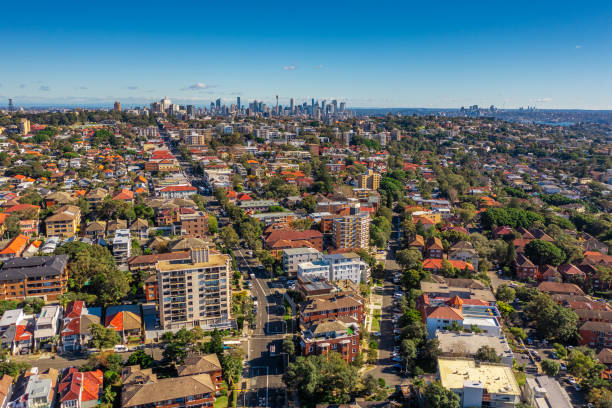
Five Dock Duplex Construction Rescue — Refinance & Completion Funding
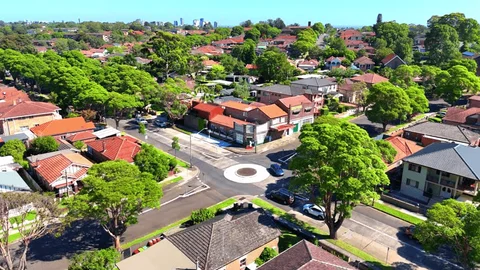
Gymea Construction Shortfall — No Doc Second Mortgage, Settled in 6 Days
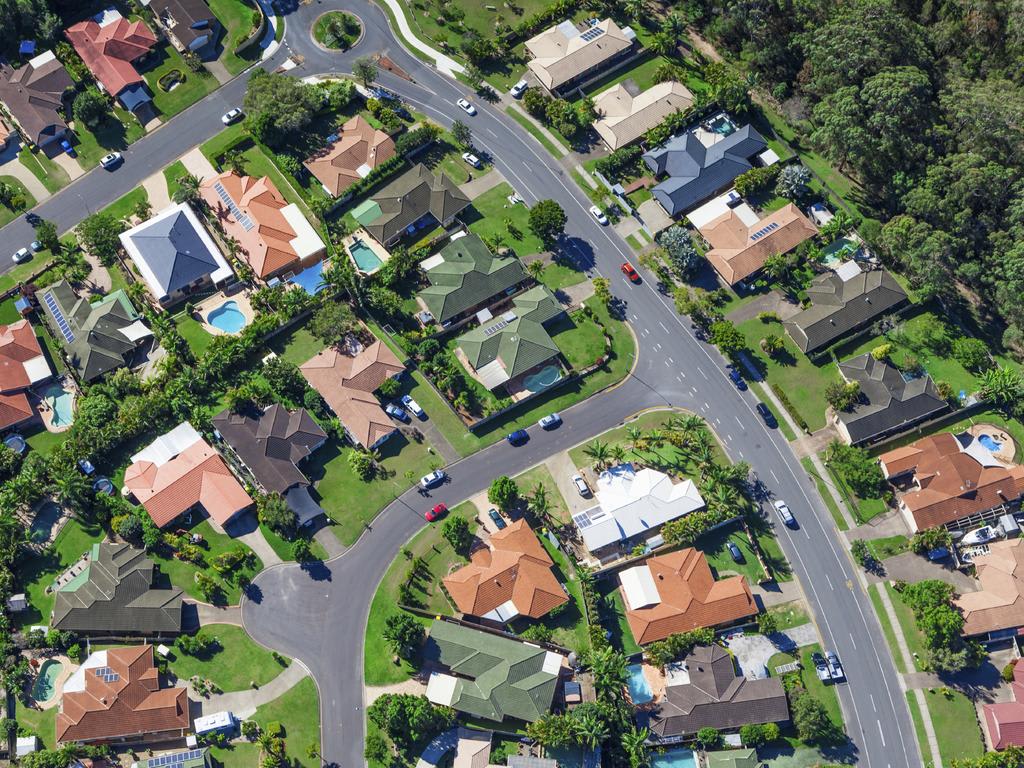
Hurstville Owner-Occupied Luxury Home — Major Bank Construction Loan
Miranda Duplex Construction — No Doc Private Loan
Wallsend Four Townhouses — Built to Hold | Non-Bank Private Lender
Scenarios We Can Help With
Browse our full range of construction and development finance scenarios.
Our Loan Solutions

Construction Loans
Staged funding for residential and commercial builds. We match you to the right lender based on your project type, timeline, and LVR.
Property Development Finance
Finance for developers building two or more dwellings. Access lenders who understand presales, GRV, and development risk.
House and Land Package Finance
Land and construction funding structured as a single facility. We find lenders who can settle land and hold the build component.
Duplex and Dual Occupancy Finance
Construction finance for duplex, dual occupancy, and dual-key builds. Residential and semi-commercial structures considered.
Townhouse Development Finance
Funding for townhouse projects from 2 to 20+ dwellings. Bank, non-bank, and private lender options across all states.
Construction Bridging Finance
Short-term bridging to settle land before your construction facility is in place, or to rescue a time-critical deal.
Low-Doc Construction Loans
Construction finance for self-employed borrowers and those who cannot provide standard income documentation.
Land Subdivision Finance
Finance for civil works, titles, and lot release across residential and rural subdivisions. DA-approved sites preferred.