Off-the-Plan Finance
Finance for developers selling residential projects off the plan before construction begins
Access to over 90+ bank, non-bank, and private lenders


















Presales are the backbone of off-the-plan development finance. For apartment, townhouse, and house-and-land projects where the developer sells before construction begins, the strength and coverage of the presale contracts determines how much the lender will lend and on what terms. Major banks require presales covering the full loan amount with unconditional contracts before they will approve a development facility. Non-bank lenders accept lower thresholds and conditional contracts, making them a better starting point for projects in their early presales phase. Settled Funding Group works with developers at all stages of the presales process. Joseph Farhat reviews the contract coverage, the project status, and the developer profile to identify the right lender from the 90+ panel.
Who This Is For
- •Developers selling apartment, townhouse, or house-and-land projects off the plan prior to or during construction.
- •Those who have presale contracts exchanged and need a development facility structured around those contracts.
- •Developers whose lender requires presales before releasing construction funds and who need to manage the presale coverage process.
- •Investors building projects where presales are the primary exit mechanism and the development facility is sized against that pipeline.
- •Developers seeking a finance facility that incorporates presale contracts as part of the security structure, particularly where a DA is granted but construction has not commenced.
- •Those building in high-demand markets where off-the-plan sales are achievable before DA approval is granted, and who need early finance.
How Off-the-Plan Finance Works
Off-the-plan development finance is a facility structured around the presale contracts. The lender reviews the presale coverage (the percentage of the loan amount covered by exchanged contracts), the quality of those contracts (unconditional vs conditional, deposit held), the DA and project status, the builder contract, and the feasibility. Strong presales covering the full loan amount are the single biggest factor in unlocking bank development finance. Non-bank lenders accept lower coverage thresholds, making it possible to access finance before the presales book is full. Joseph Farhat coordinates the presales review and lender selection to identify the right facility for each project stage.
What Lenders Assess for Off-the-Plan Finance
- •Presale contracts: the quantity and quality of exchanged presale contracts, including whether they are conditional or unconditional, the deposit amount held, and the buyer profile. Banks require unconditional contracts covering 100% of the loan; non-bank lenders accept lower thresholds.
- •DA and project status: the planning approval stage, any outstanding conditions, and the timeline to construction commencement. A current DA reduces risk and improves lending terms.
- •GRV and LTC: the gross realisation value across all presale contracts and unsold stock, and the loan-to-cost ratio against total development cost.
- •Builder contract: a fixed-price contract with a licensed builder is the standard requirement across most development lenders for off-the-plan projects.
- •Developer experience: prior off-the-plan development projects and a track record of delivering on presale commitments strengthen the application significantly.
- •Completion timeline: the expected construction program from commencement to practical completion. Longer timelines increase the risk of presale contract fallout, which lenders factor into their assessment.
The Off-the-Plan Finance Process: What to Expect
- 1.Initial review: Joseph Farhat reviews the presale contracts, the DA status, the project feasibility, and the developer profile to identify the right lender and confirm the presale coverage required before any application is prepared.
- 2.Application submitted with presale contracts, deposit confirmation, DA, QS report, builder contract, project feasibility, and income documentation.
- 3.Development valuation ordered by the lender to confirm the GRV across all presale and residual stock.
- 4.Approval issued, typically two to four weeks from submission. Construction drawdowns released as each stage is completed and inspected.
- 5.Presale settlements discharge the loan progressively as construction completes. Residual unsold stock is financed separately if needed via a residual stock facility.
Indicative Finance Options
| Lender Type | Indicative Rate | Max LTC | Max GRV | Typical Loan Range | Key Consideration |
|---|---|---|---|---|---|
| Major Bank | From 6.5% p.a. | 70% LTC | 65% GRV | $1M to $30M | Presales covering full loan amount required; unconditional contracts preferred; experienced developer |
| Non-Bank & Private Lenders | From 8% p.a. | 80% LTC | 70% GRV | $500K to $50M | Lower presales threshold; conditional contracts considered; for unique scenarios we can introduce private finance options |
Indicative figures only. Actual rates and terms depend on your project, financial position, property location, and lender assessment at the time of application. Rates are subject to change.
Off-the-Plan Finance Broker
Off-the-plan lending is one of the more nuanced corners of development finance. Lenders differ widely on how they treat presale contracts, qualifying presales, deposit bonds, sunset clauses, and settlement risk, and bank appetite for off-the-plan exposure tightens and loosens with the market. A facility one lender will not touch is funded readily by another. A broker who knows which lenders accept your presale profile and project type saves you weeks of wasted applications, protects your credit file from unnecessary enquiries, and opens access to non-bank and specialist funders that most developers cannot reach directly.
Settled Funding Group represents you, the borrower, not the lender. Joseph Farhat reviews your presales position, qualifying contracts, project feasibility, and settlement exit, then matches the project to the right lender from our 90+ panel and negotiates terms on your behalf. We prepare and manage the submission end to end, from indicative assessment through to your first drawdown. As a broker, we are typically paid by the lender on settlement, so in most cases there is no direct cost to you. If your project is complex, time-critical, or has been declined elsewhere, talk to us early and we will tell you honestly what is achievable.
Frequently Asked Questions

Receive a quote within hours, not weeks.
No credit check. No obligation.
Why Settled Funding Group?
Case Studies

Ashfield 30-Room Boarding House — No Doc Private Lender

Blacktown House & Granny Flat — Alt Doc Construction Loan

Drummoyne Luxury Duplex — Major Bank Construction Loan
Five Dock Duplex Construction Rescue — Refinance & Completion Funding
Gymea Construction Shortfall — No Doc Second Mortgage, Settled in 6 Days
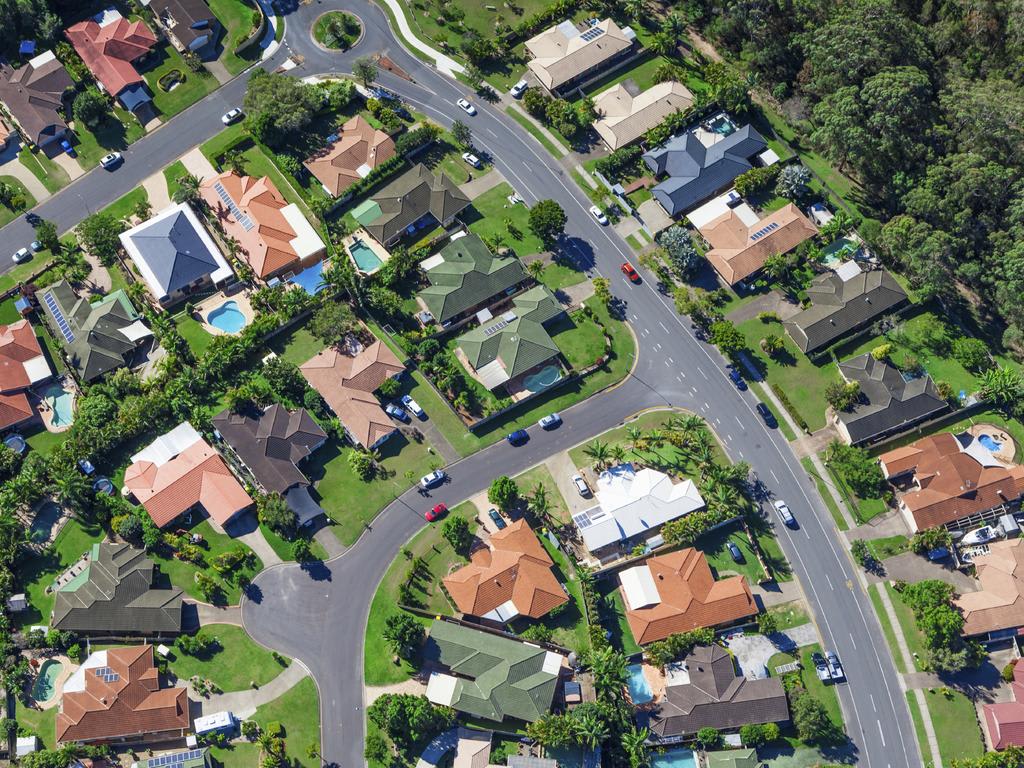
Hurstville Owner-Occupied Luxury Home — Major Bank Construction Loan
Miranda Duplex Construction — No Doc Private Loan
Wallsend Four Townhouses — Built to Hold | Non-Bank Private Lender
Scenarios We Can Help With
Browse our full range of construction and development finance scenarios.
Our Loan Solutions

Construction Loans
Staged funding for residential and commercial builds. We match you to the right lender based on your project type, timeline, and LVR.
Property Development Finance
Finance for developers building two or more dwellings. Access lenders who understand presales, GRV, and development risk.
House and Land Package Finance
Land and construction funding structured as a single facility. We find lenders who can settle land and hold the build component.
Duplex and Dual Occupancy Finance
Construction finance for duplex, dual occupancy, and dual-key builds. Residential and semi-commercial structures considered.
Townhouse Development Finance
Funding for townhouse projects from 2 to 20+ dwellings. Bank, non-bank, and private lender options across all states.
Construction Bridging Finance
Short-term bridging to settle land before your construction facility is in place, or to rescue a time-critical deal.
Low-Doc Construction Loans
Construction finance for self-employed borrowers and those who cannot provide standard income documentation.
Land Subdivision Finance
Finance for civil works, titles, and lot release across residential and rural subdivisions. DA-approved sites preferred.