Bridging Finance for Development Exit
Short-term bridging finance to exit a development loan when sales are delayed or the loan is due

Access to over 90+ bank, non-bank, and private lenders


















A completed development is not the same as a sold development. When a construction or development loan expires before all units, apartments, or dwellings have settled, the developer faces pressure from the lender to exit quickly, often at the wrong time. Development exit bridging finance replaces the expiring development loan with a short-term facility secured against the completed project, buying time for sales to settle at the right price. Settled Funding Group arranges development exit bridging for completed residential and mixed-use projects. Joseph Farhat reviews the completed asset, the sales pipeline, and the existing loan position, then identifies the right bridging lender from the 90+ panel.
Who This Is For
- •Developers whose construction or development loan is expiring but sales have not yet completed or settled.
- •Those who want time to achieve their target sale price without pressure from the development lender to discount.
- •Investors who have completed a project and want to hold the stock rather than sell at a discount in a slow market.
- •Developers who have pre-sales due to settle but need a short-term bridge to fund the gap between practical completion and the settlement dates.
- •Those exiting a development loan to a long-term investment hold, where ongoing finance is needed across completed dwellings.
- •Developers in a situation where the original lender will not extend the development facility and a fast refinance to a bridging lender is needed.
How Development Exit Bridging Finance Works
Once a development reaches practical completion, the risk profile of the project changes fundamentally. There is no more construction risk, and the asset has a clear value. Development exit bridging lenders assess the completed project on its current valuation, the combined LVR, the sales pipeline, and the exit timeline. Because construction risk has been removed, assessment is often faster than during the construction phase. Joseph Farhat coordinates the valuation, the sales pipeline review, and the lender selection to move the refinance quickly before the existing development loan creates enforcement risk.
A strong example of development exit bridging in practice: a $4.5M rescue refinance that bought time for a completed duplex development to exit at the right price. Read the Five Dock duplex rescue case study to see how the right bridging structure was arranged quickly when the development lender was applying pressure and the market needed more time to deliver the target price.
What Lenders Assess for Development Exit Bridging
- •Completed asset value: an independent valuation of the completed project on an as-is basis. This replaces the GRV and LTC metrics used during construction.
- •Combined LVR: the bridging loan as a percentage of the completed valuation. Development exit bridging lenders typically lend up to 70% of the completed value.
- •Sales pipeline: exchanged contracts (conditional and unconditional), unsold stock, and the expected settlement timeline. Strong presales reduce lender risk and improve terms.
- •Holding costs: the carrying cost during the bridge period, including interest, rates, strata, and insurance. These are factored into the loan sizing.
- •Exit strategy: sales proceeds, long-term refinance, or a combination. The lender needs to see a credible, timed exit before approving the bridge.
- •Existing development lender: the terms of the expiring facility, any arrears, and whether the existing lender is applying enforcement pressure.
The Development Exit Bridging Process: What to Expect
- 1.Initial review: Joseph Farhat reviews the completed project, the existing loan expiry date, the sales pipeline, and the enforcement risk to identify bridging lenders suited to the exit scenario.
- 2.Fast-track application submitted with title details, completed development valuation, sales pipeline (exchanged contracts, unconditional sales, unsold stock), and existing loan details.
- 3.Bridging lender issues approval, typically faster than a standard development application because construction risk has been removed.
- 4.Existing development loan discharged. Bridging facility established over the completed project.
- 5.Stock sold progressively. Each settlement reduces the bridging loan balance. Final settlement discharges the facility. Any residual stock can be financed separately if needed.
Indicative Finance Options
| Lender Type | Indicative Rate | Max LVR (completed) | Typical Loan Range | Loan Term | Key Consideration |
|---|---|---|---|---|---|
| Non-Bank Lenders | From 7.5% p.a. | Up to 70% | $500K to $15M | 6 to 24 months | Assessed on completed valuation and sales pipeline; fast approval; interest-only during bridge |
| Private Finance (introduction for unique scenarios) | From 11% p.a. | Up to 70% | $500K to $20M | 3 to 12 months | For urgent exit situations; for unique scenarios we can introduce private finance options |
Indicative figures only. Actual rates and terms depend on your project, financial position, property location, and lender assessment at the time of application. Rates are subject to change.
Development Exit Bridging Finance Broker
Development exit bridging is time-critical by definition: the existing development loan is expiring and the lender is applying pressure to sell before the market is ready. The bridging market is fragmented, with very different appetites for completed residual stock, sales-pipeline assumptions, LVR against the as-is value, and acceptable exit timeframes. A borrower who applies blindly under deadline pressure wastes the time they do not have. A broker who already knows which bridging and short-term funders move fast on completed residential and mixed-use stock saves that time, protects your credit file from wasted enquiries, and reaches non-bank and specialist lenders most developers cannot approach directly. When a deal is urgent or has been declined, a broker knows where it will actually get done.
Settled Funding Group represents you, the developer, not the lender. Joseph Farhat reviews the completed asset, your sales pipeline, and the existing loan position, then matches the situation to the right bridging lender from the 90+ panel and negotiates terms on your behalf. We prepare and manage the submission end to end so you can hold for the right sale price rather than the next deadline. As a broker, we are typically paid by the lender on settlement, so in most cases there is no direct cost to you. If your development loan is approaching expiry, talk to us early and we will tell you honestly what is achievable.
Frequently Asked Questions

Receive a quote within hours, not weeks.
No credit check. No obligation.
Why Settled Funding Group?
Case Studies

Ashfield 30-Room Boarding House — No Doc Private Lender

Blacktown House & Granny Flat — Alt Doc Construction Loan

Drummoyne Luxury Duplex — Major Bank Construction Loan
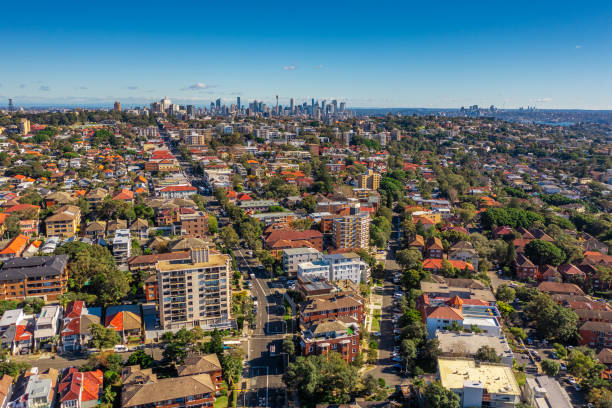
Five Dock Duplex Construction Rescue — Refinance & Completion Funding
Gymea Construction Shortfall — No Doc Second Mortgage, Settled in 6 Days
Hurstville Owner-Occupied Luxury Home — Major Bank Construction Loan
Miranda Duplex Construction — No Doc Private Loan
Wallsend Four Townhouses — Built to Hold | Non-Bank Private Lender
Scenarios We Can Help With
Browse our full range of construction and development finance scenarios.
Our Loan Solutions

Construction Loans
Staged funding for residential and commercial builds. We match you to the right lender based on your project type, timeline, and LVR.
Property Development Finance
Finance for developers building two or more dwellings. Access lenders who understand presales, GRV, and development risk.
House and Land Package Finance
Land and construction funding structured as a single facility. We find lenders who can settle land and hold the build component.
Duplex and Dual Occupancy Finance
Construction finance for duplex, dual occupancy, and dual-key builds. Residential and semi-commercial structures considered.
Townhouse Development Finance
Funding for townhouse projects from 2 to 20+ dwellings. Bank, non-bank, and private lender options across all states.
Construction Bridging Finance
Short-term bridging to settle land before your construction facility is in place, or to rescue a time-critical deal.
Low-Doc Construction Loans
Construction finance for self-employed borrowers and those who cannot provide standard income documentation.
Land Subdivision Finance
Finance for civil works, titles, and lot release across residential and rural subdivisions. DA-approved sites preferred.