Retail Development Finance
Finance for retail strip, neighbourhood centre, and mixed-use retail development

Access to over 90+ bank, non-bank, and private lenders


















Retail development spans a wide range of project types: a small strip of ground-floor shops, a neighbourhood convenience centre anchored by a supermarket or pharmacy, a strata retail building with individual tenancies, or a mixed-use project with retail at ground level and residential or commercial above. Each format is assessed differently by lenders, and the tenant mix, pre-lease position, and location are the factors that drive lender appetite most. Settled Funding Group works with retail developers across project types and scales, with Joseph Farhat identifying commercial development lenders from the 90+ panel who have genuine retail appetite and understand how retail assets are valued.
Who This Is For
- •Developers building neighbourhood shopping centres or retail strips in established and growing residential catchments.
- •Investors developing strata retail units for individual sale to owner-occupiers or long-term lease to tenants.
- •Developers building mixed-use projects with ground-floor retail and upper-level residential or commercial space, seeking a single development facility.
- •Those developing a convenience-based retail centre anchored by a supermarket, pharmacy, or medical service with strong daily footfall.
- •Owner-occupiers building retail premises for their own business, seeking to own rather than lease their trading premises.
- •Investors developing in high-footfall locations where strong retail demand from convenience, healthcare, and service tenants supports the project feasibility.
How Retail Development Finance Works
Retail development lenders assess the project on GRV and LTC, the tenant mix and pre-lease position (anchor tenant strength is critical for larger centres), the location and catchment, the DA, QS report, builder contract, developer experience, and exit. Neighbourhood retail with a strong anchor pre-lease is highly bankable and can access major bank development finance. Speculative retail development, retail in weaker locations, or projects without pre-leasing are better suited to specialist non-bank lenders. Joseph Farhat reviews the tenant position, pre-lease agreements, and project feasibility first to identify the right lender before any formal submission.
What Lenders Assess for Retail Development Finance
- •Tenant mix and anchor tenant: for larger retail centres, the strength and creditworthiness of the anchor tenant is a primary assessment factor. A signed lease with a national retailer or supermarket group significantly strengthens the application.
- •Pre-lease position: major banks typically require signed leases covering a substantial portion of the GLA before approval. Non-bank lenders are more flexible, particularly for smaller retail projects in strong locations.
- •Location and catchment: the size of the residential catchment, proximity to competing retail, traffic counts, and local demographics all affect the GRV assessment and lender appetite.
- •GRV and LTC: the gross realisation value of the completed retail asset (capitalised on net rental income) and the loan-to-cost ratio against total development cost are the primary financial metrics.
- •DA and zoning: the site must permit retail use under the DA. For mixed-use projects, the DA must cover both the retail and the upper-level use (residential or commercial).
- •Developer experience: prior retail or commercial development projects are preferred. First-time retail developers are considered by non-bank lenders when the project is well-structured with strong pre-leasing.
- •Exit strategy: strata sale to individual investors or owner-occupiers, long-term refinance against stabilised lease income, or a combination. The lender needs a clear and realistic repayment plan.
The Retail Development Finance Process: What to Expect
- 1.Initial review: Joseph Farhat reviews the tenant mix, pre-lease position, DA, location, and feasibility to identify retail development lenders suited to the project.
- 2.Application prepared with DA, pre-lease agreements, QS report, feasibility study, builder contract, and income documents.
- 3.Independent valuation: a commercial valuer assesses the GRV incorporating yield on signed leases and comparable market evidence for unleased space.
- 4.Approval: typically two to four weeks from submission depending on the lender, loan size, and project complexity.
- 5.Staged drawdowns released at construction milestones. At practical completion, tenants take possession and commence fitout. The facility exits via strata sales or long-term commercial refinance once the asset is stabilised.
Indicative Finance Options
| Lender Type | Indicative Rate | Max LTC | Max GRV | Typical Loan Range | Key Consideration |
|---|---|---|---|---|---|
| Major Bank | From 6.5% p.a. | 65% LTC | 60% GRV | $1M to $20M | Pre-lease of anchor tenant typically required; strong location; experienced developer; full doc |
| Non-Bank & Private Lenders | From 8% p.a. | 75% LTC | 65% GRV | $500K to $30M | Spec retail considered in strong locations; mixed-use projects accepted; for unique scenarios we can introduce private finance options |
Indicative figures only. Actual rates and terms depend on your project, financial position, property location, and lender assessment at the time of application. Rates are subject to change.
Retail Development Finance Broker
Retail development is commercial lending where lender appetite swings hard with the asset class. Funders assess neighbourhood centres, large-format retail, and mixed-use podiums very differently, and weight tenant pre-commitments, anchor covenants, and lease WALE heavily. A project one lender declines is funded by another that understands the format. A broker who knows which lenders actively fund retail development saves you weeks of wasted applications, protects your credit file from unnecessary enquiries, and opens access to non-bank and specialist commercial funders most developers cannot approach directly.
Settled Funding Group represents you, the borrower, not the lender. Joseph Farhat reviews your project, pre-commitments, tenant covenants, feasibility, and exit, then matches the project to the right lender from our 90+ panel and negotiates terms on your behalf. We prepare and manage the submission end to end, from indicative assessment through to your first drawdown. As a broker, we are typically paid by the lender on settlement, so in most cases there is no direct cost to you. If your project is complex, time-critical, or has been declined elsewhere, talk to us early and we will tell you honestly what is achievable.
Frequently Asked Questions

Receive a quote within hours, not weeks.
No credit check. No obligation.
Why Settled Funding Group?
Case Studies
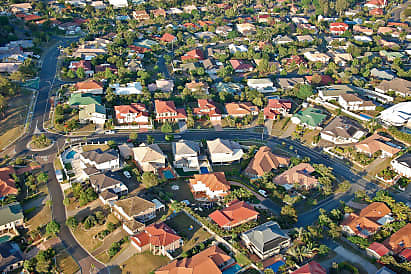

Ashfield 30-Room Boarding House — No Doc Private Lender

Blacktown House & Granny Flat — Alt Doc Construction Loan

Drummoyne Luxury Duplex — Major Bank Construction Loan
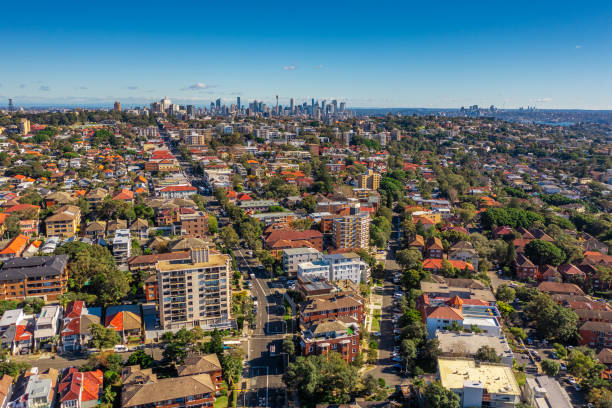
Five Dock Duplex Construction Rescue — Refinance & Completion Funding
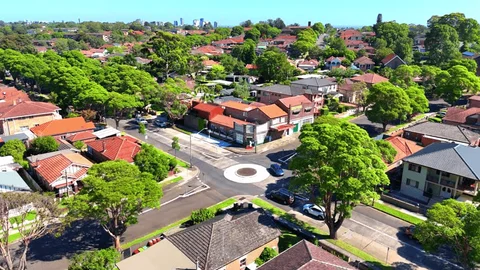
Gymea Construction Shortfall — No Doc Second Mortgage, Settled in 6 Days
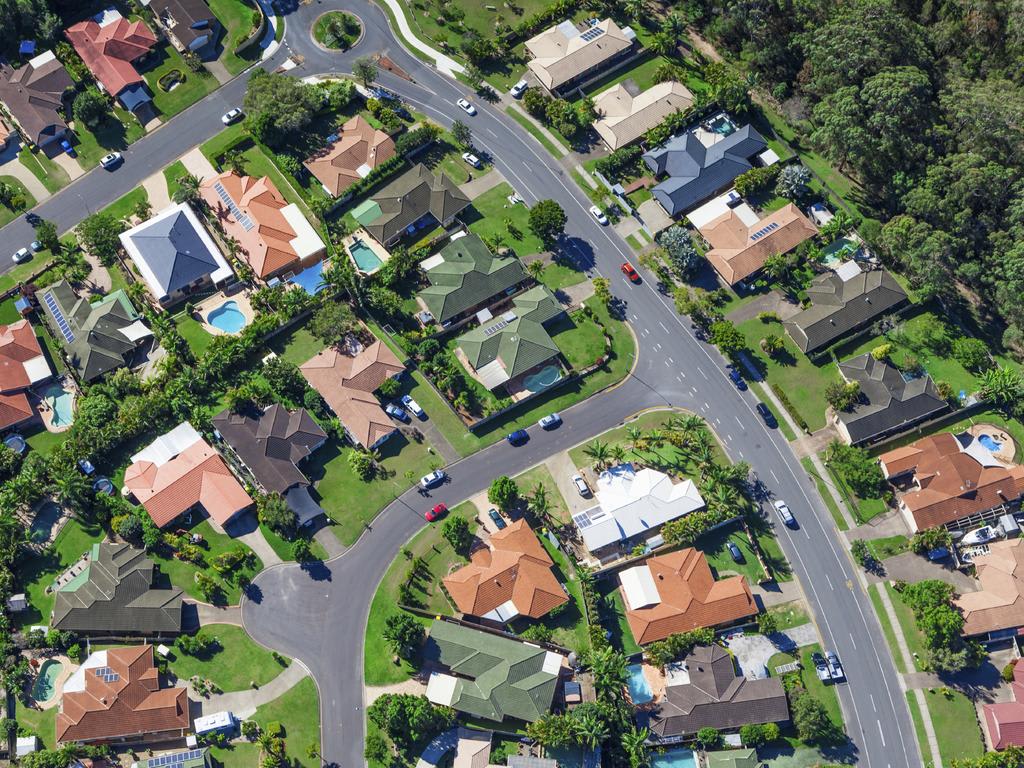
Hurstville Owner-Occupied Luxury Home — Major Bank Construction Loan
Miranda Duplex Construction — No Doc Private Loan
Wallsend Four Townhouses — Built to Hold | Non-Bank Private Lender
Scenarios We Can Help With
Browse our full range of construction and development finance scenarios.
Our Loan Solutions

Construction Loans
Staged funding for residential and commercial builds. We match you to the right lender based on your project type, timeline, and LVR.
Property Development Finance
Finance for developers building two or more dwellings. Access lenders who understand presales, GRV, and development risk.
House and Land Package Finance
Land and construction funding structured as a single facility. We find lenders who can settle land and hold the build component.
Duplex and Dual Occupancy Finance
Construction finance for duplex, dual occupancy, and dual-key builds. Residential and semi-commercial structures considered.
Townhouse Development Finance
Funding for townhouse projects from 2 to 20+ dwellings. Bank, non-bank, and private lender options across all states.
Construction Bridging Finance
Short-term bridging to settle land before your construction facility is in place, or to rescue a time-critical deal.
Low-Doc Construction Loans
Construction finance for self-employed borrowers and those who cannot provide standard income documentation.
Land Subdivision Finance
Finance for civil works, titles, and lot release across residential and rural subdivisions. DA-approved sites preferred.