Renovation Finance
Finance to renovate, extend, or structurally improve your existing property
Access to over 90+ bank, non-bank, and private lenders


















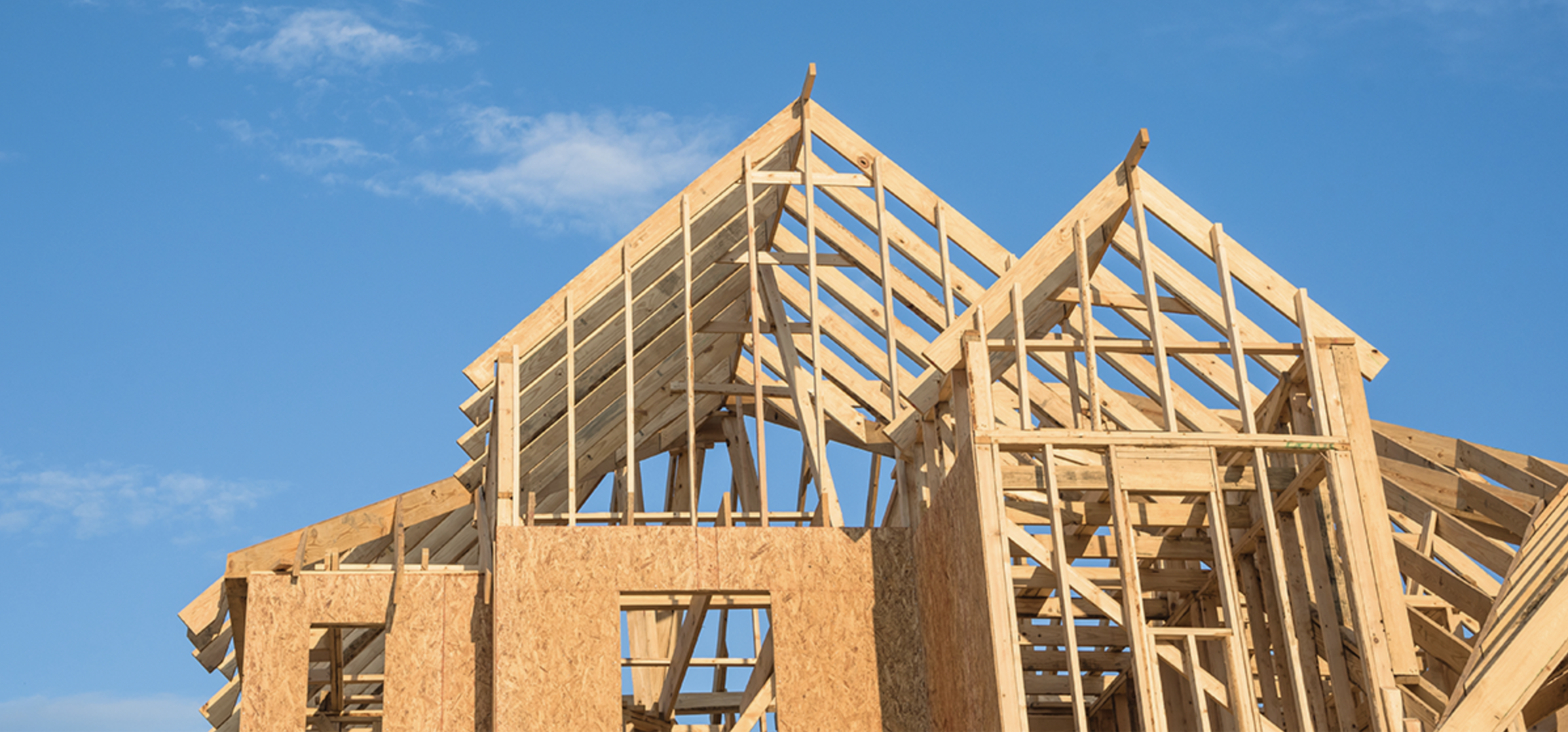
Renovating an existing property is rarely as straightforward as it looks on paper. Whether you are adding a second storey, extending at the rear, upgrading a tired investment property, or completing structural works under a DA, the financing needs to match the complexity of the project. Most lenders want to see a scope of works, evidence of your equity position, and a clear picture of who is doing the build. Settled Funding Group arranges renovation finance across bank and non-bank lenders, and for unique scenarios can introduce you to private finance as an option.
Who This Is For
- •Homeowners renovating to add value before putting the property on the market
- •Investors upgrading a rental property to improve yield and attract better tenants
- •Buyers who have purchased a rundown property and plan to transform it before moving in or renting
- •Owners completing structural extensions such as a second storey, rear addition, or garage conversion
- •Those who have received a DA for renovation works and are ready to proceed with finance
- •Borrowers who are mid-renovation and need additional funds to complete the project
How Renovation Finance Works
Renovation loans are typically structured as a construction facility, with funds released in stages as each phase of the works is completed and inspected. The lender assesses the on-completion value of the property rather than just the current value, which often allows a larger borrowing amount than a standard equity release. Joseph Farhat reviews your scope of works, your equity position, and your income, then identifies lenders across the 90+ panel whose policy fits your renovation type and documentation situation.
When a renovation runs over budget or a funding gap opens mid-project, the right lender can make the difference between stopping works and finishing on time. See the Gymea construction shortfall case study for an example of how a shortfall during a construction project was resolved quickly with a second mortgage from the right lender. The same approach applies to renovation shortfalls.
What Lenders Assess for Renovation Finance
- •Scope of works document: lenders want a full itemised breakdown of every trade and material. An incomplete or vague scope is the most common reason renovation applications are delayed.
- •DA or building approval: required for structural works including extensions, additions, and any works affecting the building envelope. Cosmetic renovations may not require council approval, but lenders will still want to confirm the scope.
- •Licensed contractor or owner-builder permit: most bank lenders require a licensed builder. Non-bank lenders are more flexible on contractor type, including renovations managed directly by the owner.
- •Existing property value and current equity: the lender calculates the LVR based on either the current value or the on-completion value, depending on their policy.
- •Income and serviceability: sufficient to cover loan repayments during the renovation period.
- •Exit strategy: whether you plan to sell the renovated property, refinance to a long-term loan, or hold as a rental. A clear exit supports approval at both bank and non-bank level.
The Renovation Finance Process: What to Expect
- 1.Initial assessment: share your scope of works, equity position, DA status, and income with Settled Funding Group. Joseph Farhat reviews the file and identifies lenders suited to your renovation type before anything is formally submitted.
- 2.Application prepared with the scope of works, DA or building approval, contractor quotes, and income documents.
- 3.Lender commissions an independent valuation on the estimated on-completion value of the property.
- 4.Approval and loan documents issued, typically one to three weeks from submission depending on the lender.
- 5.Funds released in stages as each trade phase is completed and inspected. Settled Funding Group manages the drawdown process throughout the renovation, from the first payment to final drawdown at practical completion.
Indicative Finance Options
| Lender Type | Indicative Rate | Max LVR | Typical Loan Range | Loan Term | Key Consideration |
|---|---|---|---|---|---|
| Major Bank | From 6.5% p.a. | Up to 90% | $50K to $5M | Up to 30 years | Licensed contractor or building permit required; full doc income |
| Non-Bank & Private Lenders | From 7.5% p.a. | Up to 85% | $50K to $15M | 3 to 30 months | Alt doc accepted; flexible on scope and contractor type; for unique scenarios we can introduce private finance options |
Indicative figures only. Actual rates and terms depend on your project, financial position, property location, and lender assessment at the time of application. Rates are subject to change.
Renovation Finance Broker
Renovation finance covers everything from a cosmetic update to a structural rebuild, and lender appetite shifts sharply across that range. Each lender treats the scope of works, the contractor type, the as-completed value, and the borrower's income differently. Larger or structural renovations push into construction policy, where many banks tighten LVRs or decline outright. A scenario one lender declines is funded comfortably by another. A broker who knows which lenders fund your size and type of renovation goes straight to those with appetite, including non-bank and specialist funders most borrowers cannot approach directly, saving time and protecting your credit file from wasted enquiries.
Settled Funding Group represents you, the borrower, not the lender. Joseph Farhat reviews your scope of works, your contractor, and your income position, then matches the scenario to the right lender from our 90+ panel and negotiates terms on your behalf. For unique scenarios, we can introduce you to private finance options. We prepare and manage the application end to end, from assessment through to drawdown. As a broker, we are typically paid by the lender on settlement, so in most cases there is no direct cost to you. If your renovation is large, structural, or has been declined elsewhere, talk to us early and we will tell you honestly what is achievable.
Frequently Asked Questions

Receive a quote within hours, not weeks.
No credit check. No obligation.
Why Settled Funding Group?
Case Studies

Ashfield 30-Room Boarding House — No Doc Private Lender

Blacktown House & Granny Flat — Alt Doc Construction Loan
Drummoyne Luxury Duplex — Major Bank Construction Loan
Five Dock Duplex Construction Rescue — Refinance & Completion Funding
Gymea Construction Shortfall — No Doc Second Mortgage, Settled in 6 Days
Hurstville Owner-Occupied Luxury Home — Major Bank Construction Loan
Miranda Duplex Construction — No Doc Private Loan
Wallsend Four Townhouses — Built to Hold | Non-Bank Private Lender
Scenarios We Can Help With
Browse our full range of construction and development finance scenarios.
Our Loan Solutions

Construction Loans
Staged funding for residential and commercial builds. We match you to the right lender based on your project type, timeline, and LVR.
Property Development Finance
Finance for developers building two or more dwellings. Access lenders who understand presales, GRV, and development risk.
House and Land Package Finance
Land and construction funding structured as a single facility. We find lenders who can settle land and hold the build component.
Duplex and Dual Occupancy Finance
Construction finance for duplex, dual occupancy, and dual-key builds. Residential and semi-commercial structures considered.
Townhouse Development Finance
Funding for townhouse projects from 2 to 20+ dwellings. Bank, non-bank, and private lender options across all states.
Construction Bridging Finance
Short-term bridging to settle land before your construction facility is in place, or to rescue a time-critical deal.
Low-Doc Construction Loans
Construction finance for self-employed borrowers and those who cannot provide standard income documentation.
Land Subdivision Finance
Finance for civil works, titles, and lot release across residential and rural subdivisions. DA-approved sites preferred.