Non-Bank Construction Finance
Construction loans from non-bank lenders for borrowers who fall outside standard bank policy
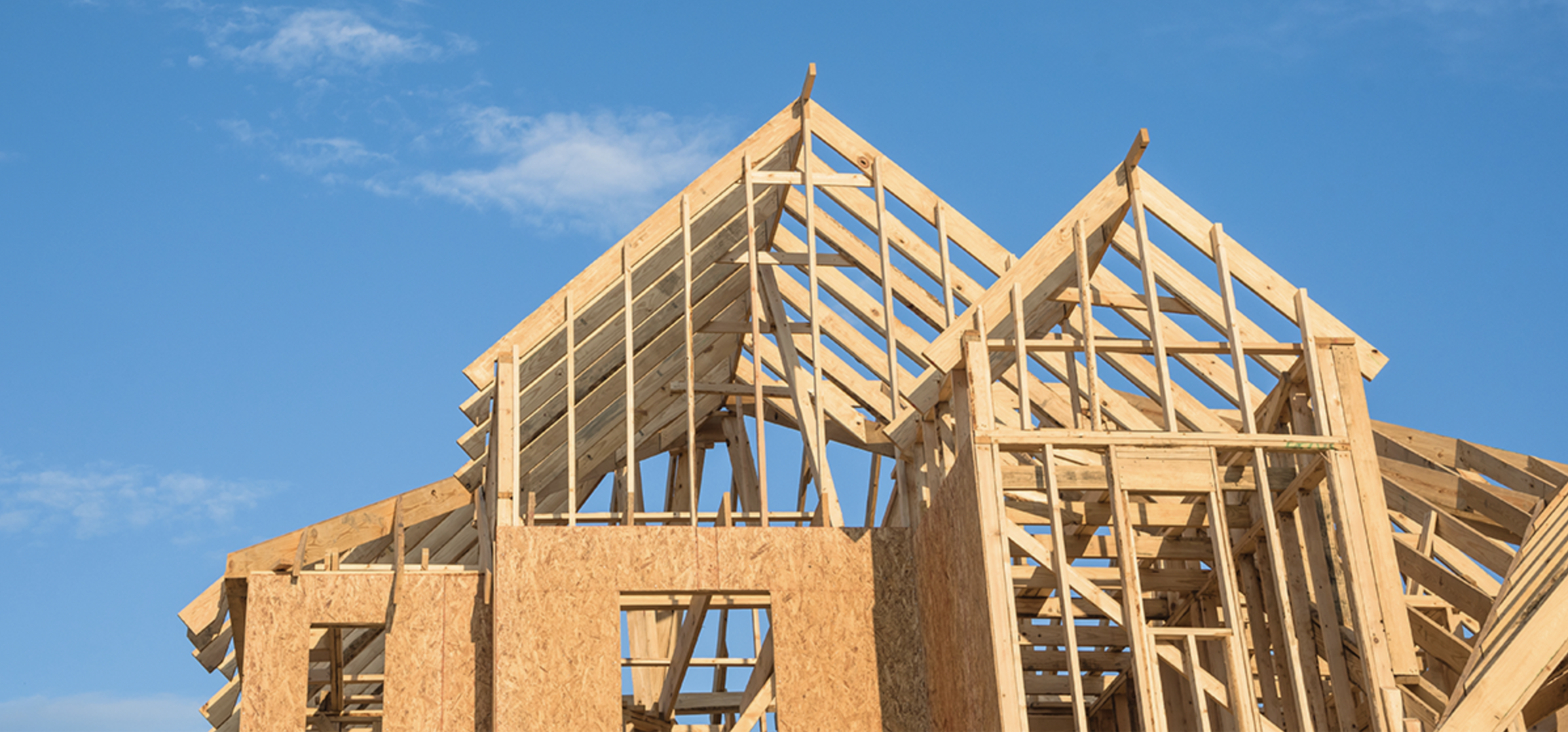
Access to over 90+ bank, non-bank, and private lenders


















Getting declined by a major bank does not mean the project cannot proceed. Non-bank construction lenders assess applications differently: they look at the equity, the property, the project, and the exit, without requiring the same income documentation or applying the same policy restrictions as major banks. For self-employed borrowers, those with complex income structures, or developers whose project falls outside bank appetite, a non-bank lender is often the more practical starting point. Settled Funding Group works across bank and non-bank lenders to find the right fit, and for unique scenarios can introduce you to private finance as an option.
Who This Is For
- •Self-employed borrowers who cannot meet standard bank income documentation requirements
- •Borrowers who have been declined by a major bank due to credit history or policy restrictions
- •Investors with complex income structures including multiple properties, trusts, or companies
- •Those building in locations or asset types that major banks restrict or decline to fund
- •Developers whose project size or structure falls outside bank appetite
- •Borrowers who need faster approval than a major bank can provide
How Non-Bank Construction Finance Works
Non-bank construction lenders assess more holistically than major banks. They look at the overall equity position, the property and project quality, the exit strategy, and the borrower's experience, without requiring the same documentation. Alt doc options are widely available, accepting BAS statements, an accountant's letter, or one year of financials instead of two years of tax returns. Some non-bank lenders use lo-doc or asset-lending approaches where income takes a secondary role to security. Joseph Farhat identifies which non-bank lenders on the panel best match the specific income situation and project type before any application is prepared.
A concrete example of what non-bank construction finance can deliver: a $3.36M duplex construction loan was funded through a non-bank private lender when traditional bank channels were not available. Read the Miranda duplex case study to see what made the application work and how the right non-bank structure was structured for a complex scenario.
What Non-Bank Lenders Assess for Construction Finance
- •Equity and LVR: non-bank lenders assess the on-completion value and the loan as a percentage of that value. Up to 85% LVR is available from specialist non-bank lenders, compared to 80% at most major banks.
- •Property and project quality: the property location, the build type, and the quality of the DA and builder contract all influence non-bank lender appetite.
- •Income documentation: alt doc options include BAS statements, an accountant's letter, or one year of financials. Lo-doc options may assess on asset value and exit alone. The documentation requirement varies by lender.
- •Credit history: non-bank lenders take a more flexible view of credit history than major banks. Minor defaults or credit impairment that would cause a bank to decline may be acceptable to a non-bank lender with offsetting factors.
- •Exit strategy: how will the construction loan be repaid or refinanced at practical completion? Selling, refinancing to a long-term loan, or retaining with a new facility. Non-bank lenders assess this carefully.
- •Builder contract and DA approval: standard requirements apply regardless of lender type. A fixed-price contract with a licensed builder and current DA approval are required across most non-bank construction lenders.
- •Approval speed: non-bank lenders typically approve construction loans in one to two weeks, compared to three to six weeks for major banks.
The Non-Bank Construction Finance Process: What to Expect
- 1.Initial review: Settled Funding Group assesses why bank channels are not the right fit and identifies non-bank lenders whose policy suits the specific scenario. Joseph Farhat gives an indicative loan amount before any formal application is prepared.
- 2.Application tailored to the selected non-bank lender's documentation requirements. Different lenders have different income doc requirements and Joseph Farhat prepares the application accordingly.
- 3.Non-bank lender approves, typically within one to two weeks from submission.
- 4.Staged construction drawdowns managed by Settled Funding Group throughout the build, coordinating progress inspections and drawdown requests with the non-bank lender.
- 5.At practical completion, the loan is either refinanced to a long-term non-bank or bank facility, or the property is sold. Settled Funding Group can assist with the refinance at completion.
Indicative Finance Options
| Lender Type | Indicative Rate | Max LVR | Typical Loan Range | Loan Term | Key Consideration |
|---|---|---|---|---|---|
| Non-Bank Tier 1 (Credit Unions and Mutual Banks) | From 6.8% p.a. | Up to 90% | $200K to $3M | Up to 30 years | Bank-like rates with more flexible policy; full doc or alt doc; good for borrowers who just fall outside bank policy |
| Non-Bank Tier 2 (Specialist Non-Bank Lenders) | From 7.5% p.a. | Up to 85% | $200K to $15M | 3 to 30 months | Alt doc and lo-doc options; complex income and trust structures accepted; for unique scenarios we can introduce private finance options |
Indicative figures only. Actual rates and terms depend on your project, financial position, property location, and lender assessment at the time of application. Rates are subject to change.
Non-Bank Construction Finance Broker
The non-bank construction lending market is wide and fragmented. Each non-bank lender has its own appetite for build type, location, LVR, presales, and borrower profile, and those policies shift regularly. A scenario one non-bank lender declines is funded comfortably by another, and most borrowers have no way of knowing which is which. Approaching non-bank lenders directly often means wasted applications and unnecessary credit enquiries. A broker who tracks which non-bank and specialist lenders are actively funding construction, and on what terms, goes straight to the lenders with appetite for your exact build, saving time and protecting your credit file.
Settled Funding Group represents you, the borrower, and arranges construction finance across both bank and non-bank lenders. Joseph Farhat reviews your build, your timeline, and your financial position, then matches the scenario to the right lender from our 90+ panel and negotiates terms on your behalf. For unique scenarios where bank and non-bank lenders are not the right fit, we can introduce you to private finance options. We prepare and manage the application end to end, from assessment through to your first drawdown. As a broker, we are typically paid by the lender on settlement, so in most cases there is no direct cost to you. If a bank has declined your construction loan, talk to us early and we will tell you honestly what is achievable.
Frequently Asked Questions

Receive a quote within hours, not weeks.
No credit check. No obligation.
Why Settled Funding Group?
Case Studies

Ashfield 30-Room Boarding House — No Doc Private Lender

Blacktown House & Granny Flat — Alt Doc Construction Loan

Drummoyne Luxury Duplex — Major Bank Construction Loan
Five Dock Duplex Construction Rescue — Refinance & Completion Funding
Gymea Construction Shortfall — No Doc Second Mortgage, Settled in 6 Days
Hurstville Owner-Occupied Luxury Home — Major Bank Construction Loan
Miranda Duplex Construction — No Doc Private Loan
Wallsend Four Townhouses — Built to Hold | Non-Bank Private Lender
Scenarios We Can Help With
Browse our full range of construction and development finance scenarios.
Our Loan Solutions

Construction Loans
Staged funding for residential and commercial builds. We match you to the right lender based on your project type, timeline, and LVR.
Property Development Finance
Finance for developers building two or more dwellings. Access lenders who understand presales, GRV, and development risk.
House and Land Package Finance
Land and construction funding structured as a single facility. We find lenders who can settle land and hold the build component.
Duplex and Dual Occupancy Finance
Construction finance for duplex, dual occupancy, and dual-key builds. Residential and semi-commercial structures considered.
Townhouse Development Finance
Funding for townhouse projects from 2 to 20+ dwellings. Bank, non-bank, and private lender options across all states.
Construction Bridging Finance
Short-term bridging to settle land before your construction facility is in place, or to rescue a time-critical deal.
Low-Doc Construction Loans
Construction finance for self-employed borrowers and those who cannot provide standard income documentation.
Land Subdivision Finance
Finance for civil works, titles, and lot release across residential and rural subdivisions. DA-approved sites preferred.