Prefab Home Finance
Finance for prefabricated and panelised homes built off-site
Access to over 90+ bank, non-bank, and private lenders


















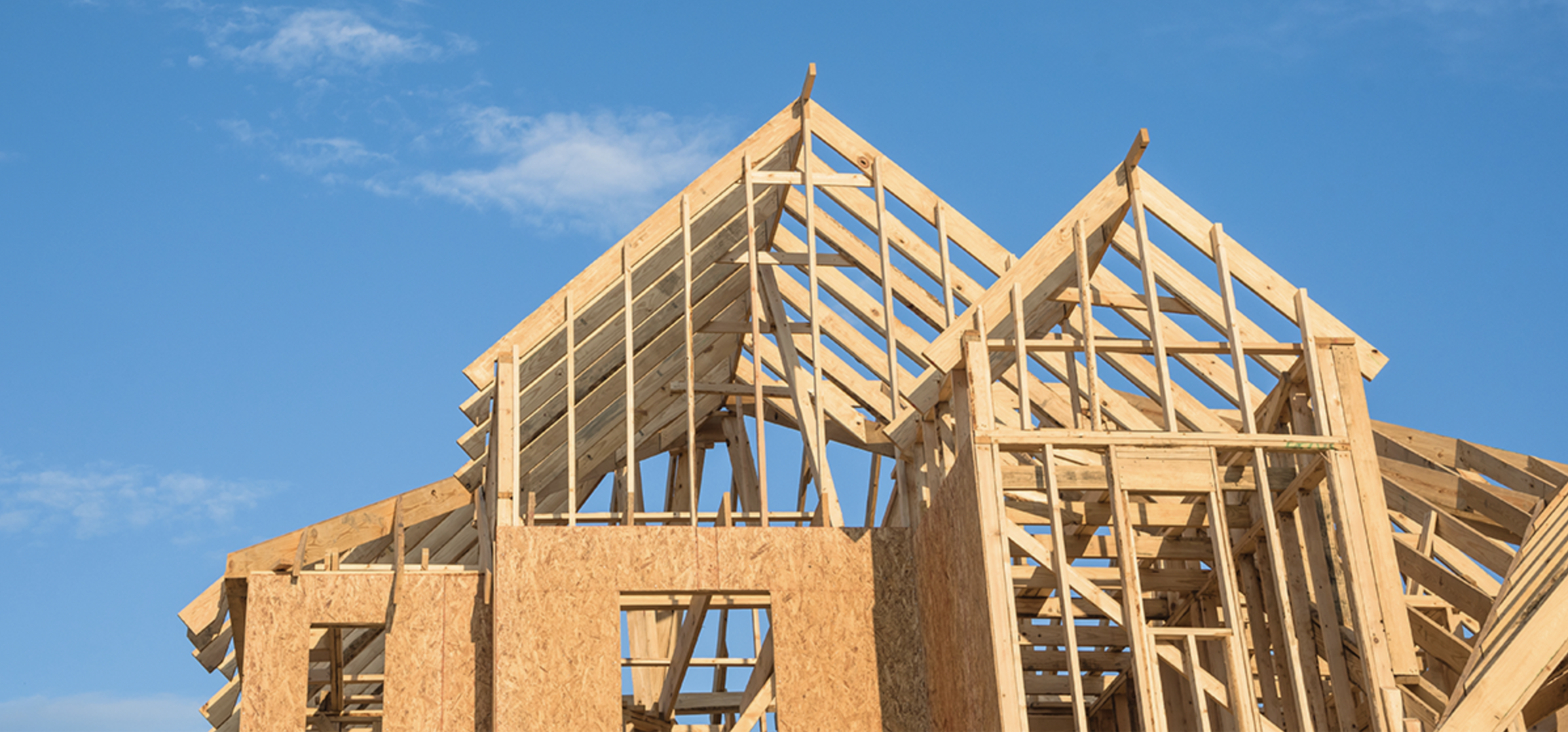
Prefab homes are fast, cost-effective, and built with factory precision, which is why so many people choose them. The complication is the finance. A standard construction loan pays for work completed on-site, but a prefab home is largely built in a factory before it ever reaches your land. Lenders are cautious about releasing funds for components that are not yet fixed to the property, and the deposit and progress payment structure is where most applications hit friction. Settled Funding Group works with buyers and investors financing prefab and panelised homes across Australia, identifying lenders from the 90+ panel who fund prefab and accept the payment structure. For unique scenarios, we can introduce you to private finance options.
Who This Is For
- •Those building a prefabricated or panelised home
- •Buyers choosing prefab for its cost savings and faster build time
- •Those building in regional areas where on-site trades are scarce
- •Investors using prefab to deliver rental dwellings quickly
- •Those building a prefab home as a knockdown rebuild or infill dwelling
- •Buyers attracted to the factory quality control of prefab construction
How Prefab Home Finance Works
Prefab home finance is assessed differently from a standard construction loan because much of the value is built off-site before being installed. The conventional construction loan model pays for work completed on-site, so lenders are cautious about releasing funds for components not yet fixed to the land. This is the central issue: prefab manufacturers often require a deposit and pre-delivery payments to fund factory production, which sits awkwardly against the standard drawdown model. Joseph Farhat reviews the manufacturer contract and payment structure, then identifies lenders on the panel who fund prefab and accept the deposit and progress payment terms.
What Lenders Assess for Prefab Home Finance
- •Contract payment structure: this is the key friction point. Prefab contracts often require a deposit and pre-delivery payments, while standard construction loans pay only for work fixed to the land. Lenders assess how the payment schedule aligns with their drawdown model.
- •Manufacturer credentials: lenders want to see that the prefab manufacturer is established, appropriately licensed, and has a record of completed projects.
- •Australian Building Code compliance: the home must comply with the National Construction Code and relevant state standards, with documentation provided.
- •Land title: the land must be in the borrower's name, with a site preparation contract covering foundations and services.
- •On-completion value: lenders lend against the value of the installed and completed home on the land. Some banks decline prefab outright, while non-bank lenders are more accommodating.
- •Income and serviceability: banks require full doc, while non-bank lenders accept alternative documentation for self-employed borrowers.
The Prefab Home Finance Process: What to Expect
- 1.Initial review: share your prefab manufacturer contract, the payment structure, site preparation details, land title, and income position with Settled Funding Group. Joseph Farhat identifies lenders who fund prefab and accept the deposit structure before anything is formally submitted.
- 2.Full application prepared and submitted with the manufacturer contract, the site preparation contract, land title, manufacturer credentials, and income documentation.
- 3.Lender commissions an on-completion valuation of the installed prefab home on the land.
- 4.Formal approval and loan documents issued once the valuation and assessment are complete.
- 5.Funds released in stages aligned to the prefab program: deposit, delivery and installation, and practical completion. Settled Funding Group coordinates each release so the program keeps moving.
Indicative Finance Options
| Lender Type | Indicative Rate | Max LVR | Typical Loan Range | Loan Term | Key Consideration |
|---|---|---|---|---|---|
| Major Bank | From 6.5% p.a. | Up to 80% | $200K to $3M | Up to 30 years | Restrictions on off-site progress payments; manufacturer credentials and Building Code compliance required; some banks decline prefab; full doc |
| Non-Bank & Private Lenders | From 7.5% p.a. | Up to 85% | $200K to $10M | 3 to 30 months | More flexible on prefab payment structures and deposits; regional locations considered; for unique scenarios we can introduce private finance options |
Indicative figures only. Actual rates and terms depend on your project, financial position, property location, and lender assessment at the time of application. Rates are subject to change.
Prefab Home Finance Broker
Prefab home finance falls outside standard construction lending, and the lender market for it is fragmented. Many banks class prefabricated and kit homes as non-standard construction and either decline them or demand tight LVR caps and manufacturer credentials. The lenders who fund prefab builds each assess the factory manufacture, transport, and on-site assembly stages in their own way. Applying blind means wasted applications and unnecessary credit enquiries on lenders who were never going to fund a prefab dwelling. A broker who knows which lenders actually finance prefab and kit-home construction goes straight to those with appetite, including non-bank and specialist funders most borrowers cannot approach directly.
Settled Funding Group represents you, the borrower, not the lender. Joseph Farhat reviews your manufacturer, your site, and your income position, then matches the build to the right lender from our 90+ panel and negotiates terms on your behalf. For unique scenarios, we can introduce you to private finance options. We prepare and manage the application end to end, from assessment through to the transport and assembly drawdowns. As a broker, we are typically paid by the lender on settlement, so in most cases there is no direct cost to you. If your prefab build has been declined or sits outside standard policy, talk to us early and we will tell you honestly what is achievable.
Frequently Asked Questions

Receive a quote within hours, not weeks.
No credit check. No obligation.
Why Settled Funding Group?
Case Studies

Ashfield 30-Room Boarding House — No Doc Private Lender

Blacktown House & Granny Flat — Alt Doc Construction Loan
Drummoyne Luxury Duplex — Major Bank Construction Loan
Five Dock Duplex Construction Rescue — Refinance & Completion Funding
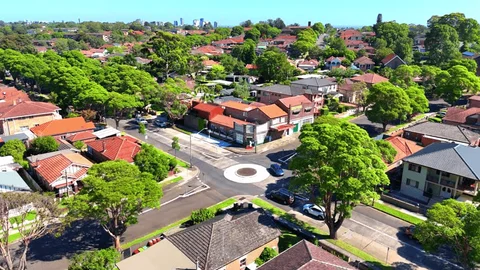
Gymea Construction Shortfall — No Doc Second Mortgage, Settled in 6 Days
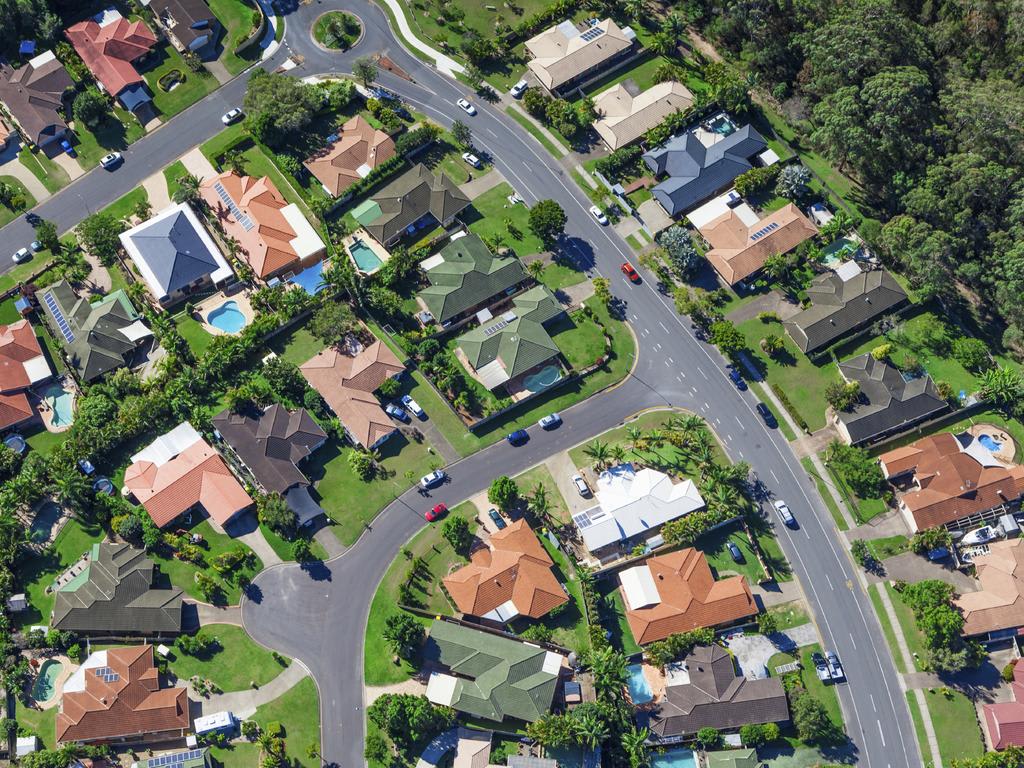
Hurstville Owner-Occupied Luxury Home — Major Bank Construction Loan
Miranda Duplex Construction — No Doc Private Loan
Wallsend Four Townhouses — Built to Hold | Non-Bank Private Lender
Scenarios We Can Help With
Browse our full range of construction and development finance scenarios.
Our Loan Solutions

Construction Loans
Staged funding for residential and commercial builds. We match you to the right lender based on your project type, timeline, and LVR.
Property Development Finance
Finance for developers building two or more dwellings. Access lenders who understand presales, GRV, and development risk.
House and Land Package Finance
Land and construction funding structured as a single facility. We find lenders who can settle land and hold the build component.
Duplex and Dual Occupancy Finance
Construction finance for duplex, dual occupancy, and dual-key builds. Residential and semi-commercial structures considered.
Townhouse Development Finance
Funding for townhouse projects from 2 to 20+ dwellings. Bank, non-bank, and private lender options across all states.
Construction Bridging Finance
Short-term bridging to settle land before your construction facility is in place, or to rescue a time-critical deal.
Low-Doc Construction Loans
Construction finance for self-employed borrowers and those who cannot provide standard income documentation.
Land Subdivision Finance
Finance for civil works, titles, and lot release across residential and rural subdivisions. DA-approved sites preferred.