Knockdown Rebuild Finance
Demolish the old house and build the one you actually want, on the land you already own
Access to over 90+ bank, non-bank, and private lenders


















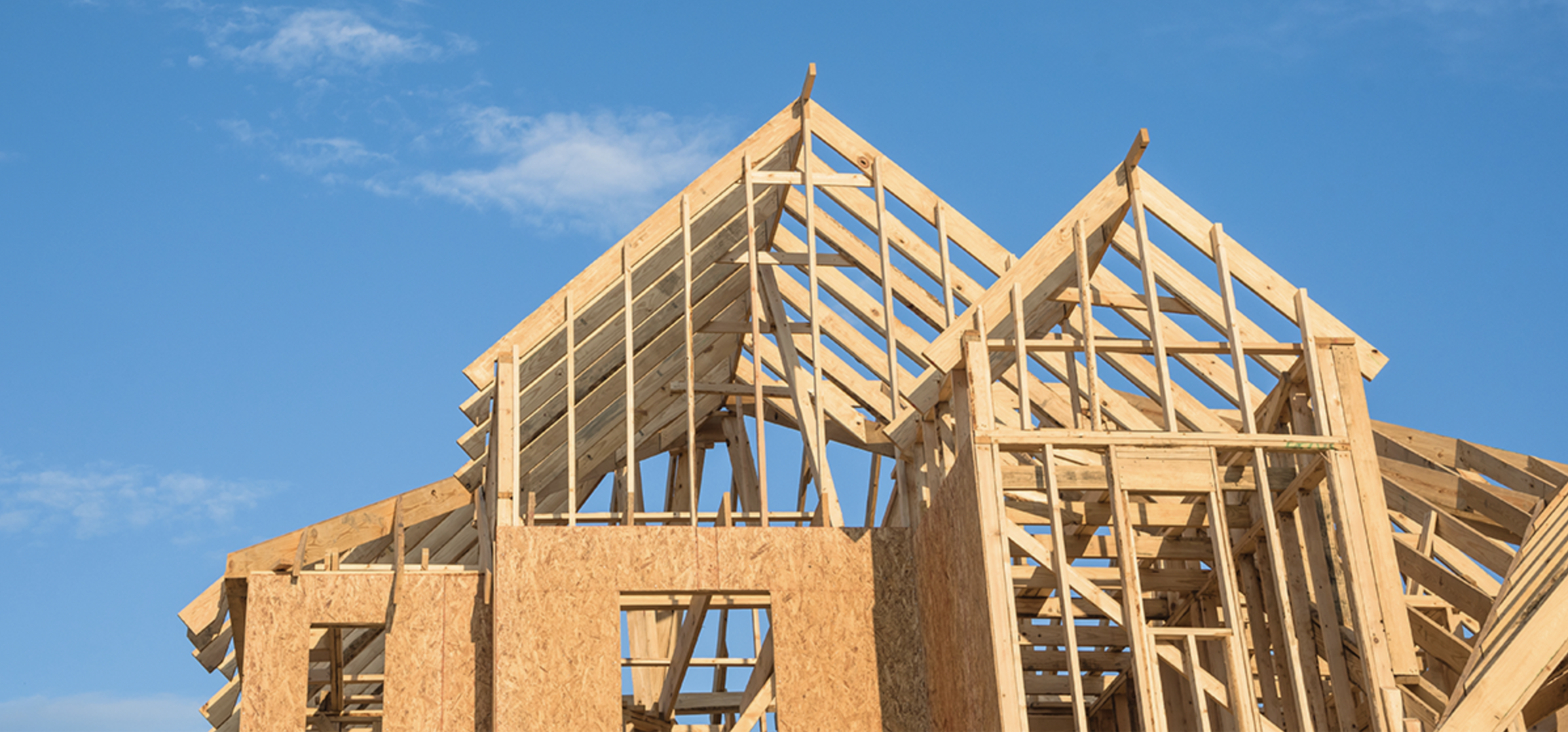
A knockdown rebuild lets you keep the location while starting fresh on the home. You already own the land, you know the street, the schools, the neighbours. What you want is a house that works for your life now, not the one built decades ago. Financing a knockdown rebuild involves two stages: the demolition and the construction. Settled Funding Group works across bank and non-bank lenders to find the right structure for your project, and for unique scenarios can introduce you to private finance as an option.
Who This Is For
- •Homeowners who love their suburb but want a modern home to replace an ageing or unsuitable dwelling
- •Investors demolishing an old house to build a new dwelling or multi-dwelling on a premium block
- •Owners of properties where renovation would cost more than rebuilding from scratch
- •Families upsizing in the same location to avoid moving away from schools and community
- •Borrowers who already own land outright or with a small mortgage and want to leverage existing equity
- •Those building a new home under a fixed-price contract with a licensed builder after demolition
How Knockdown Rebuild Finance Works
Most knockdown rebuild loans are structured as a standard construction loan, with the demolition cost rolled into the overall project budget. The land is used as security, and the construction loan is drawn in stages as the build progresses. Because you already own the land, you are starting from a stronger equity position than someone purchasing land and building separately. That equity often supports a higher loan amount or a better interest rate.
A client we worked with in Hurstville had existing equity in their property, wanted a significant upgrade, and secured a major bank construction loan for a $2.9M owner-occupied luxury home. The key was a fixed-price contract with a licensed builder, a clear build timeline, and a well-prepared application. See the Hurstville luxury home case study for the full picture. Settled Funding Group handles the preparation and lender selection process for you.
What Lenders Assess for a Knockdown Rebuild
- •On-completion valuation: lenders lend against the projected value of the finished dwelling, not the current land value. A strong on-completion value relative to the loan amount opens more lender options and better rates.
- •Existing equity and current mortgage balance: your starting equity position determines how much you can borrow and which lenders suit your scenario.
- •DA or CDC approval: most lenders require planning consent before issuing a formal approval, though indicative assessments can be provided earlier.
- •Fixed-price builder contract: must cover the full scope from demolition to practical completion, with no gaps between what the demolition contractor ends and what the builder starts.
- •Income and serviceability: particularly relevant if you are renting during the build, as that additional cost factors into the serviceability calculation.
- •Demolition contractor quote: lenders check that demolition costs are realistic, adequately budgeted, and do not create a shortfall in the overall project cost.
The Knockdown Rebuild Finance Process: What to Expect
- 1.Initial assessment: Settled Funding Group reviews your equity position, DA status, and builder contract. Joseph Farhat identifies lenders suited to your project and income situation, and gives an indicative loan amount before you commit.
- 2.Full application prepared with plans, builder contract, demolition quote, and income documentation.
- 3.Lender commissions an independent on-completion valuation, the key figure the approval is structured around.
- 4.Formal approval and loan documents issued, typically two to four weeks from submission.
- 5.Demolition funded from the first drawdown; construction drawdowns follow at each milestone: slab, frame, lockup, fixing, and practical completion. Total time from enquiry to first drawdown is typically two to six weeks depending on the lender and DA status.
Indicative Finance Options
| Lender Type | Indicative Rate | Max LVR | Typical Loan Range | Loan Term | Key Consideration |
|---|---|---|---|---|---|
| Major Bank | From 6.5% p.a. | Up to 90% | $200K to $5M | Up to 30 years | Fixed-price contract with licensed builder required; full doc income |
| Non-Bank & Private Lenders | From 7.5% p.a. | Up to 85% | $200K to $15M | 3 to 30 months | Alt doc, low doc or no doc options; flexible on complex income; fast settlement available during demolition phase |
Indicative figures only. Actual rates and terms depend on your project, financial position, property location, and lender assessment at the time of application. Rates are subject to change.
Knockdown Rebuild Finance Broker
Knockdown rebuild finance has its own quirks, and lender policy varies widely on how they handle them. Demolition timing, the existing equity in the land, the on-completion valuation, and how the loan transitions from the old dwelling to the new build are all treated differently from lender to lender. Some banks are cautious about funding demolition before construction approval, while non-bank lenders take a more flexible view, and a scenario one lender declines is often funded comfortably by another. A broker who knows which lenders genuinely suit knockdown rebuilds and your income position saves you time, avoids wasted applications and unnecessary credit enquiries, and gives you access to lenders most borrowers cannot approach directly. For complex or self-employed knockdown rebuild scenarios, a broker knows where the deal will get done.
Settled Funding Group represents you, the borrower, not the lender. Joseph Farhat reviews your existing property, your demolition and build plan, and your income position, then matches your scenario to the right lender from our 90+ panel and negotiates terms on your behalf. We prepare and manage the application from assessment through demolition to your first construction drawdown, and for unique scenarios we can introduce you to private finance options. As a broker, we are typically paid by the lender on settlement, so in most cases there is no direct cost to you. If your knockdown rebuild is complex or has been declined elsewhere, talk to us early and we will tell you honestly what is achievable.
Frequently Asked Questions

Receive a quote within hours, not weeks.
No credit check. No obligation.
Why Settled Funding Group?
Case Studies

Ashfield 30-Room Boarding House — No Doc Private Lender

Blacktown House & Granny Flat — Alt Doc Construction Loan
Drummoyne Luxury Duplex — Major Bank Construction Loan
Five Dock Duplex Construction Rescue — Refinance & Completion Funding
Gymea Construction Shortfall — No Doc Second Mortgage, Settled in 6 Days
Hurstville Owner-Occupied Luxury Home — Major Bank Construction Loan
Miranda Duplex Construction — No Doc Private Loan
Wallsend Four Townhouses — Built to Hold | Non-Bank Private Lender
Scenarios We Can Help With
Browse our full range of construction and development finance scenarios.
Our Loan Solutions

Construction Loans
Staged funding for residential and commercial builds. We match you to the right lender based on your project type, timeline, and LVR.
Property Development Finance
Finance for developers building two or more dwellings. Access lenders who understand presales, GRV, and development risk.
House and Land Package Finance
Land and construction funding structured as a single facility. We find lenders who can settle land and hold the build component.
Duplex and Dual Occupancy Finance
Construction finance for duplex, dual occupancy, and dual-key builds. Residential and semi-commercial structures considered.
Townhouse Development Finance
Funding for townhouse projects from 2 to 20+ dwellings. Bank, non-bank, and private lender options across all states.
Construction Bridging Finance
Short-term bridging to settle land before your construction facility is in place, or to rescue a time-critical deal.
Low-Doc Construction Loans
Construction finance for self-employed borrowers and those who cannot provide standard income documentation.
Land Subdivision Finance
Finance for civil works, titles, and lot release across residential and rural subdivisions. DA-approved sites preferred.