Construction finance is one of the more operationally complex lending products available. Most articles describe how it works in principle. This one covers what actually happens in sequence, from the point of land settlement through to the first progress payment reaching your builder.
If you're planning a build at a significant scale, understanding this timeline in advance saves money, reduces stress, and gives you the ability to hold your lender and broker accountable at each step.
Stage 1: Land Settlement
The process starts here. You own the site. At this point you typically have one of two financing positions:
- •You settled land under a separate residential or investment loan, with the intention of rolling into a construction facility once the build approvals are in place.
- •You are in the process of applying for a land and construction package with a single lender, who will advance the land component at settlement and hold the construction component until drawdown conditions are met.
Both structures work. The second is simpler administratively but restricts your lender choice, since you're committing to one institution for both components before you've fully tested the construction lending market.
Stage 2: Development Approval and Building Contract Execution
Before most lenders will issue a construction loan formal approval, they require:
- •Council Development Approval (DA) or a complying development certificate (CDC), depending on your project
- •A signed fixed-price building contract with a licensed builder
- •Approved plans stamped by council or a private certifier
This stage can take anywhere from six weeks to six months depending on your council, the complexity of your design, and how quickly your builder has their documentation in order. It is not a finance stage. It is an approvals and contract stage. But it directly gates your finance timeline, so it needs to be managed in parallel with your lender engagement, not after it.
Stage 3: Construction Loan Application and Formal Approval
With DA and a signed contract in hand, you can submit a full construction loan application. The lender will assess:
- •Your borrowing capacity based on income, existing liabilities, and the proposed loan structure
- •The land value and total end value of the completed property
- •The building contract, including the builder's licence, insurance, and whether the contract is genuinely fixed-price
- •The proposed build programme and stage payment schedule
Expect four to eight weeks for formal approval at a mainstream lender. Non-bank and private lenders can move faster, sometimes in two to three weeks, but generally at a higher rate.
Formal approval will come with a list of conditions that must be satisfied before the first drawdown. These typically include:
- •Builder's insurance certificate naming the lender as an interested party
- •Council-approved plans
- •Construction certificate or building permit
- •Evidence of any equity contribution upfront
- •Completion of any lender-specific construction documentation
Stage 4: Loan Settlement (Not to Be Confused With Drawdown)
Construction loan settlement is the point at which the loan is established and any land refinancing is completed. No construction funds are released at this point. The loan facility is active but the construction funds sit uncommitted until drawdown conditions are met.
This is a point of confusion for many borrowers. Settlement and first drawdown are separate events, often separated by several weeks.
Stage 5: First Drawdown
The first progress payment, typically aligned to the commencement or slab stage, is released once the lender is satisfied that:
- •All pre-drawdown conditions from formal approval have been met
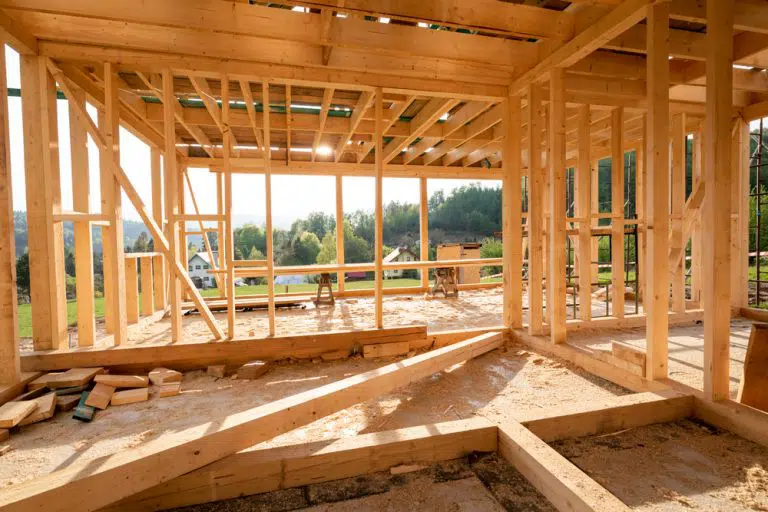
- •A site inspection or valuer sign-off confirms work has commenced or reached the required milestone
- •The correct drawdown documentation has been submitted, usually a builder's invoice, statutory declaration, and any required council or certifier documentation
At this point, funds are paid directly to the builder. Not to you. This is standard across all construction lending.
What Can Go Wrong at Each Stage
| Stage | Common Delay |
|---|---|
| DA and building contract | Council delays, builder slow to finalise contract documentation |
| Loan application | Incomplete file submission, valuation gaps, builder insurance issues |
| Formal approval conditions | Missing certifier documentation, delays in council plan endorsement |
| Settlement | Legal or title issues on the land, lender administration delays |
| First drawdown | Inspection delays, QS report timing, incomplete builder documentation |
How to Use This Timeline Practically
Work backwards from when your builder needs to be paid. If your builder's programme starts in three months, your construction loan application needs to be submitted now, not in six weeks.
Engage your broker before the building contract is signed. The contract terms, particularly around stage payments and sunset clauses, affect your lender options. Some lenders have specific requirements around payment schedules that your builder's standard contract may not align with.
Build in a two-week buffer at each stage. The timelines above are realistic averages. They are not guaranteed, and a lender who moves slowly at drawdown one will likely move slowly at drawdown three.
Where Settled Funding Group Fits
We manage the construction finance process from initial structure through to final drawdown. That means selecting a lender based on their drawdown performance, not just their rate, structuring the application to minimise conditional requirements, and staying engaged through the build so that drawdown delays are caught early.
If you're at any point in this timeline, whether you're pre-DA or approaching first drawdown on an existing facility, contact us to review your position.